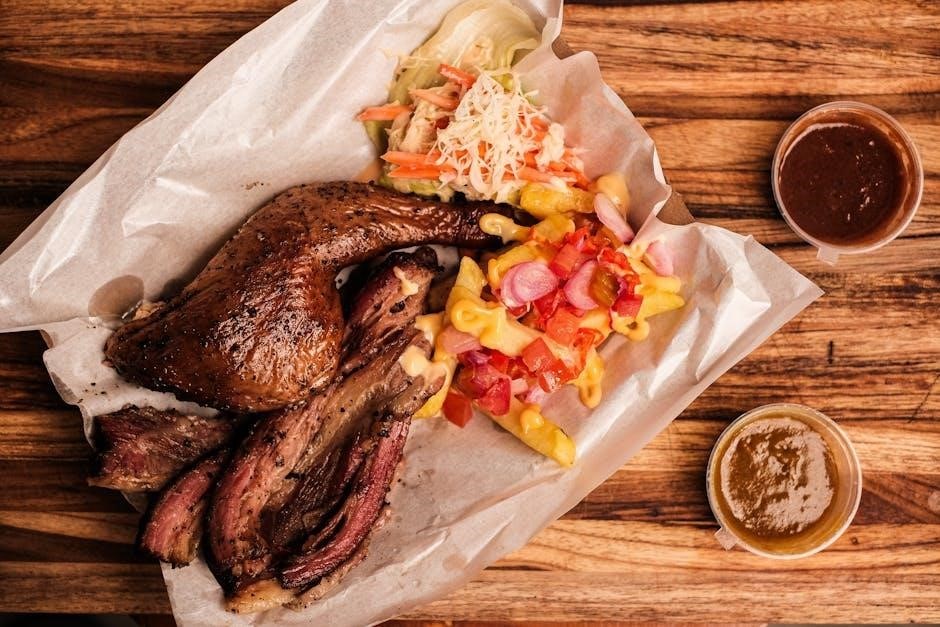
Dry rubs are seasoning mixes used to create flavorful crusts on meats‚ offering a bold alternative to marinades. They’re essential for grillers and home cooks!
Using a dry rub simplifies cooking‚ delivering intense flavor and a desirable texture without the mess or time commitment of wet marinades – a true game-changer.
What is a Dry Rub?
Dry rubs are vibrant blends of herbs‚ spices‚ and seasonings meticulously combined to coat meat surfaces before cooking. Unlike marinades‚ which utilize a wet base‚ dry rubs consist entirely of dry ingredients‚ creating a flavorful bark during the cooking process.
These seasoning mixes aren’t just about taste; they also contribute to the texture of the finished product. The spices adhere to the meat‚ forming a delicious crust when exposed to heat. A well-crafted dry rub is a go-to tool for achieving bold flavors‚ eliminating the need for extensive preparation or lengthy marinating times.
Why Use a Dry Rub?
Dry rubs offer a convenient and effective way to infuse meat with incredible flavor. They bypass the need for marinades‚ saving valuable time and reducing mess in the kitchen. The application is simple – just coat the meat generously and allow the seasonings to penetrate.
Beyond convenience‚ dry rubs create a beautiful‚ flavorful crust during cooking‚ enhancing both the taste and texture of the meat. They’re incredibly versatile‚ working wonderfully on a wide variety of proteins‚ from chicken and pork to beef and even fish. Mastering dry rubs elevates your cooking‚ delivering professional-quality results with ease.
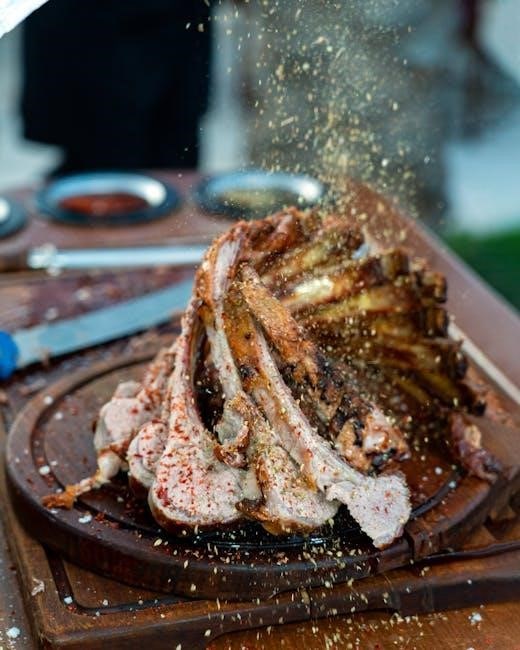
Key Components of a Dry Rub
Essential dry rub components include a balance of base seasonings‚ aromatic spices‚ and flavorful herbs‚ working together to create complex and delicious profiles.
Base Seasonings (Salt‚ Pepper‚ Sugar)
Salt is crucial‚ enhancing flavors and drawing out moisture for better seasoning penetration; kosher salt or sea salt are preferred choices for their texture and purity.
Black pepper adds a foundational warmth and subtle spice‚ complementing other seasonings and providing a pleasant bite. Freshly ground pepper delivers the most robust flavor.
Sugar‚ often brown sugar‚ balances the salt and spice‚ promoting caramelization during cooking and contributing to a beautiful‚ flavorful crust. It also tenderizes the meat.
These three elements form the backbone of nearly every dry rub‚ providing a harmonious foundation upon which more complex flavors can be built. Adjusting their ratios allows for customization.
Spices (Paprika‚ Garlic Powder‚ Onion Powder)
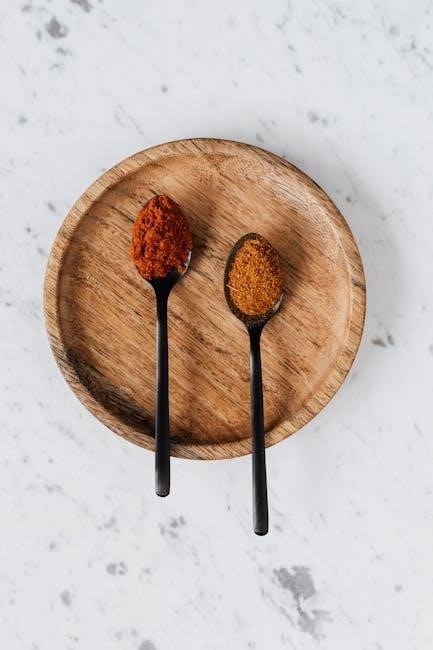
Paprika‚ available in sweet‚ smoked‚ and hot varieties‚ contributes color and depth of flavor. Smoked paprika imparts a wonderful smoky essence‚ mimicking the grill itself.
Garlic powder delivers a consistent garlic flavor without the risk of burning often associated with fresh garlic during high-heat cooking. It’s a versatile and essential spice.
Onion powder adds a savory sweetness and umami depth‚ complementing both garlic and other spices. It blends seamlessly into rubs‚ creating a complex flavor profile.
These spices are workhorses in the dry rub world‚ providing layers of aroma and taste that elevate meats to new heights. Experiment with different types!
Herbs (Rosemary‚ Thyme‚ Oregano)
Rosemary‚ with its piney and slightly citrusy notes‚ pairs exceptionally well with lamb‚ pork‚ and chicken‚ adding a fragrant and robust dimension to your rubs.
Thyme offers an earthy and subtly floral flavor‚ complementing poultry‚ beef‚ and even fish. It’s a versatile herb that blends beautifully with other seasonings.
Oregano‚ a staple in Mediterranean cuisine‚ brings a bold and slightly peppery taste‚ ideal for pork‚ lamb‚ and chicken rubs‚ creating a zesty profile.
Using dried herbs ensures consistent flavor distribution within the rub. Don’t be afraid to combine these herbs for a complex‚ aromatic experience!
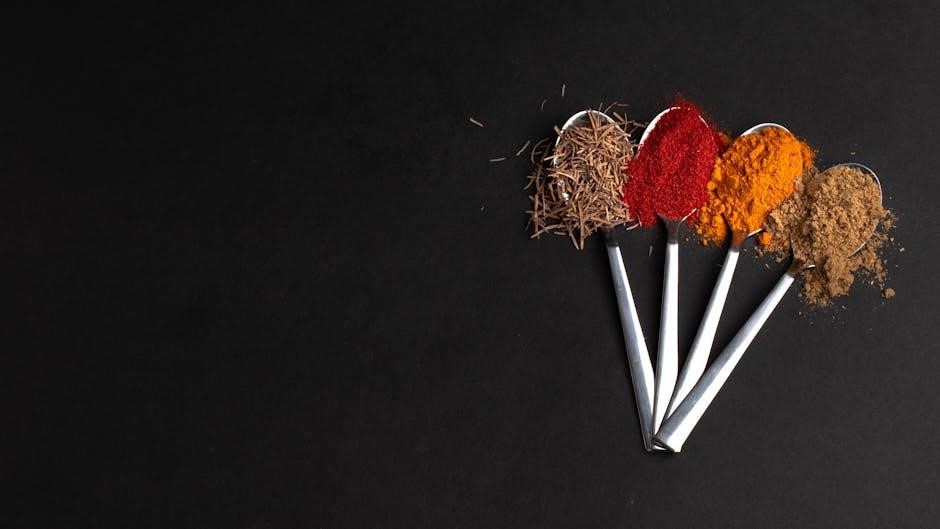
Choosing the Right Rub for Your Meat
Selecting the perfect rub depends on the protein; beef benefits from bolder flavors‚ while poultry shines with lighter‚ herbaceous blends for optimal taste.
Beef Rubs
For beef‚ robust and bold flavors are key. Consider rubs featuring coarse black pepper‚ garlic powder‚ and paprika as foundational elements. Chili powder and cumin add depth‚ creating a classic Southwestern profile perfect for steaks or brisket.
Brown sugar balances the savory spices‚ promoting a beautiful caramelized bark during cooking; Some rubs incorporate coffee grounds for a smoky‚ complex note. Don’t shy away from a touch of cayenne pepper for a subtle kick!
Experiment with different ratios to find your ideal beef rub‚ remembering that stronger flavors complement richer cuts like ribs and chuck roast.
Pork Rubs
Pork pairs wonderfully with sweet and savory rubs. Brown sugar is almost essential‚ creating a sticky‚ flavorful bark during smoking or grilling. Paprika‚ both sweet and smoked‚ provides color and depth. Garlic and onion powder are staples‚ enhancing the overall savory profile.
For a touch of warmth‚ incorporate chili powder or cayenne pepper. Allspice and cinnamon can add a unique‚ subtle sweetness‚ particularly good with pulled pork. Mustard powder provides a tangy counterpoint to the sweetness.
Experiment with fruit-based rubs‚ like apple or peach‚ for a delightful twist!
Chicken & Poultry Rubs
Chicken and poultry benefit from rubs that balance savory and slightly sweet flavors. Paprika remains a key ingredient‚ providing color and a mild smoky note. Garlic and onion powder are essential for depth. Herbs like thyme‚ rosemary‚ and oregano complement poultry beautifully.
A touch of brown sugar or maple sugar enhances browning and adds subtle sweetness. Consider adding citrus zest – lemon or orange – for brightness. A pinch of cayenne pepper offers a gentle warmth without overpowering the delicate flavor of chicken.
Don’t be afraid to experiment with Italian seasoning blends!
Lamb‚ Fish & Seafood Rubs
Lamb pairs wonderfully with robust rubs featuring rosemary‚ garlic‚ and black pepper. A touch of cumin or coriander adds complexity. For fish and seafood‚ lighter rubs are best to avoid overpowering delicate flavors.
Paprika‚ garlic powder‚ and a hint of cayenne provide a subtle kick. Citrus zest (lemon‚ lime) brightens seafood rubs beautifully. Dill and Old Bay seasoning are classic choices for fish. Consider adding dried parsley or chives for freshness.
Salt content is crucial – use a lighter hand with seafood!
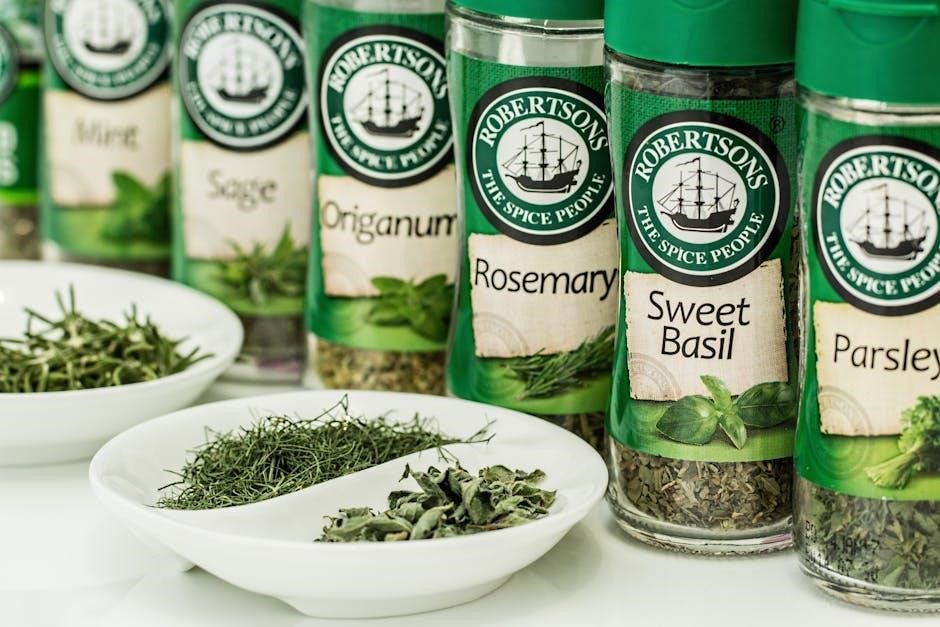
Applying a Dry Rub: A Step-by-Step Guide
Proper application involves preparing the meat‚ generously coating all sides with the rub‚ and firmly pressing it in to ensure maximum flavor penetration.
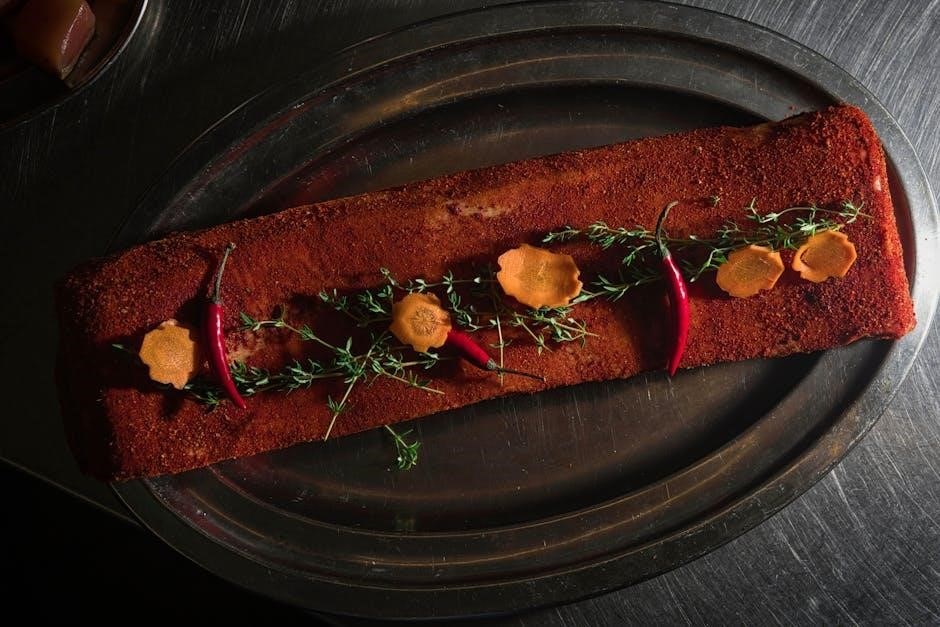
Preparing the Meat
Before applying any dry rub‚ proper meat preparation is crucial for optimal results. Begin by patting the meat completely dry with paper towels; this creates a better surface for the rub to adhere to.
For thicker cuts like brisket or ribs‚ consider trimming excess fat‚ but leave a thin layer for moisture and flavor. Some cooks lightly brush the meat with a binder‚ like mustard or olive oil‚ to help the rub stick‚ though it’s not always necessary.
Ensure the meat is at room temperature for more even seasoning distribution and cooking. This step sets the stage for a beautifully seasoned and flavorful final product.
Rub Application Technique
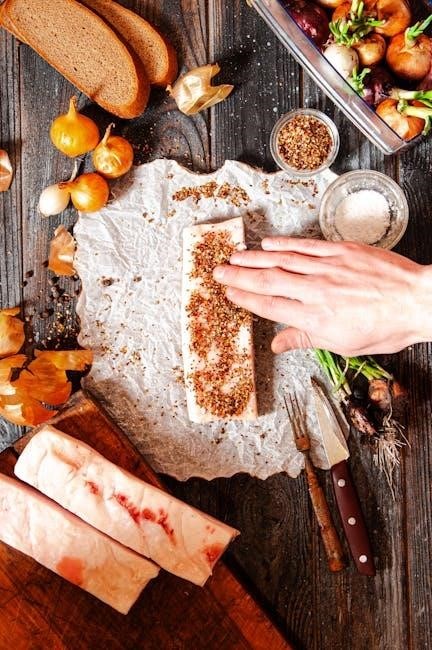
Generously coat all surfaces of the meat with your chosen dry rub. Don’t be shy – a good coating is key to maximizing flavor! Use your hands to ensure even distribution‚ pressing the rub into the meat rather than simply sprinkling it on top.
For larger cuts‚ work in sections to guarantee complete coverage. Remember to get into any crevices or folds. Rubbing the seasoning into the meat‚ rather than just on it‚ is vital for deeper penetration and a more impactful flavor.
This technique builds a flavorful foundation for your cooking.
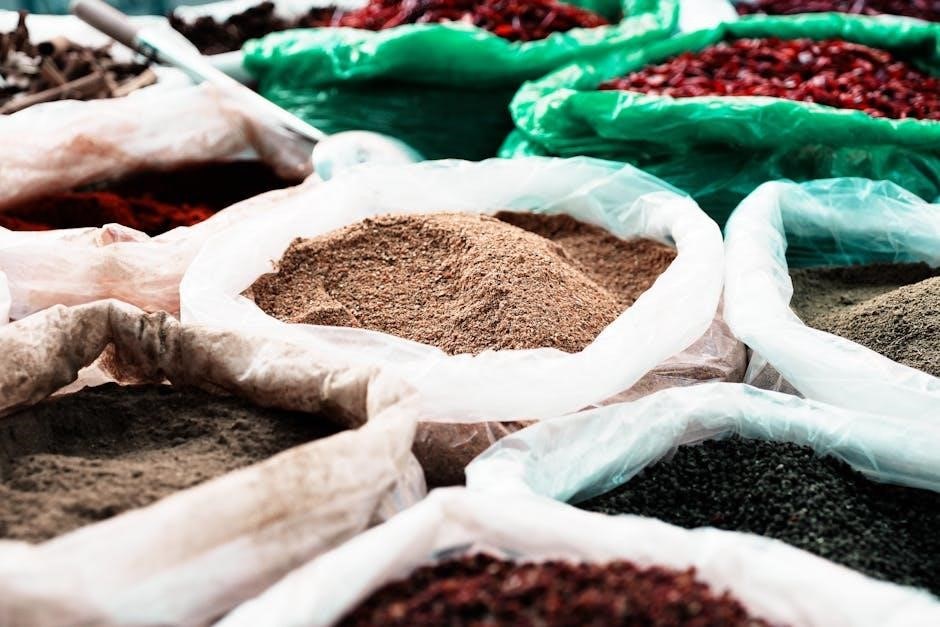
Resting Time & Moisture
Allowing the rub to rest on the meat is crucial; wait until the rub appears slightly wet‚ indicating it’s drawing out moisture and beginning to meld with the proteins. This process enhances flavor penetration and creates a beautiful crust during cooking.
However‚ be mindful of extended resting times‚ as salt can begin to dry out the meat if left on for too long. A minimum of 30 minutes is recommended for noticeable flavor infusion‚ but overnight rubbing requires careful consideration.
Moisture is key to a good rub!
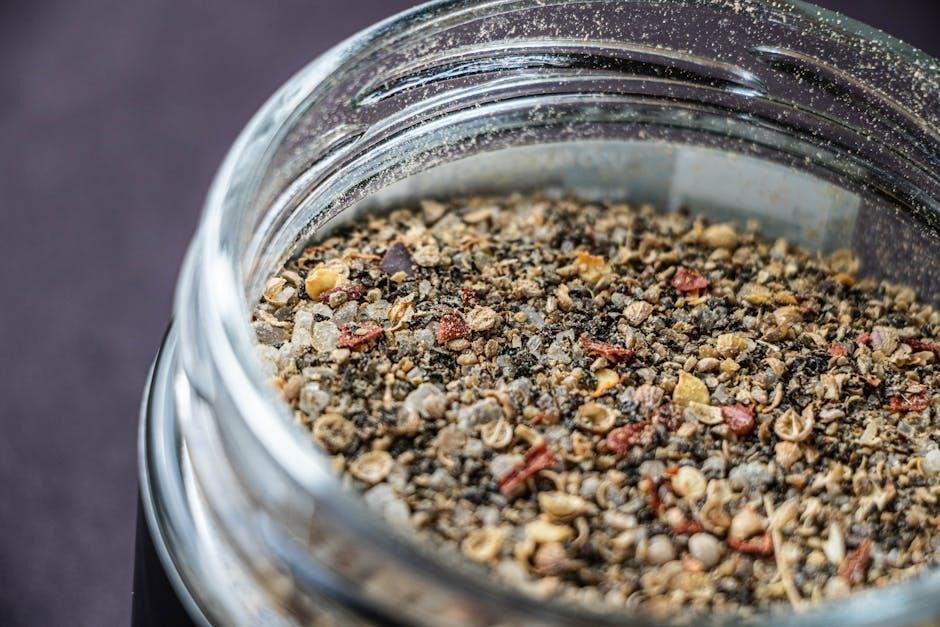
Dry Rub Application Timing
Timing is key! Apply rubs at least 30 minutes before cooking‚ or even overnight‚ but be cautious of excessive salt drawing out moisture.
Minimum Resting Time (30 Minutes)
A 30-minute minimum resting period after applying your dry rub is highly recommended for optimal flavor penetration. This allows the seasonings to begin interacting with the meat’s surface‚ creating a more robust and integrated taste experience. Don’t rush this step – it truly makes a difference!
During this time‚ the rub will start to draw out some natural moisture‚ forming a sort of “paste” that adheres beautifully to the meat. This paste is crucial for developing that coveted flavorful crust during cooking. While immediate grilling is possible‚ the 30-minute wait significantly enhances the overall result‚ ensuring a more thoroughly seasoned and delicious final product.
Overnight Rubbing Considerations
Leaving a dry rub on overnight can intensify flavor‚ but be mindful of the salt content. Prolonged exposure to salt can begin to cure the meat‚ potentially drying it out; This is especially true for leaner cuts. If opting for an overnight rub‚ consider reducing the salt in your blend slightly.
Ensure the meat is stored properly in the refrigerator during this extended period. A loose covering is preferable to airtight wrapping‚ allowing some air circulation. While overnight rubbing delivers a deeper flavor profile‚ it requires a bit more attention to prevent undesirable textural changes.
Immediate Grilling/Smoking
If you’re short on time‚ applying a dry rub immediately before grilling or smoking is perfectly acceptable! While a longer resting period enhances flavor penetration‚ you’ll still achieve a delicious result. The rub will adhere to the surface‚ creating a flavorful crust as the meat cooks.
Don’t worry about a lack of initial flavor absorption; the heat will help meld the seasonings with the meat. This method is ideal for spontaneous cookouts or when you’ve forgotten to prep in advance. A quick application still delivers a significant flavor boost!
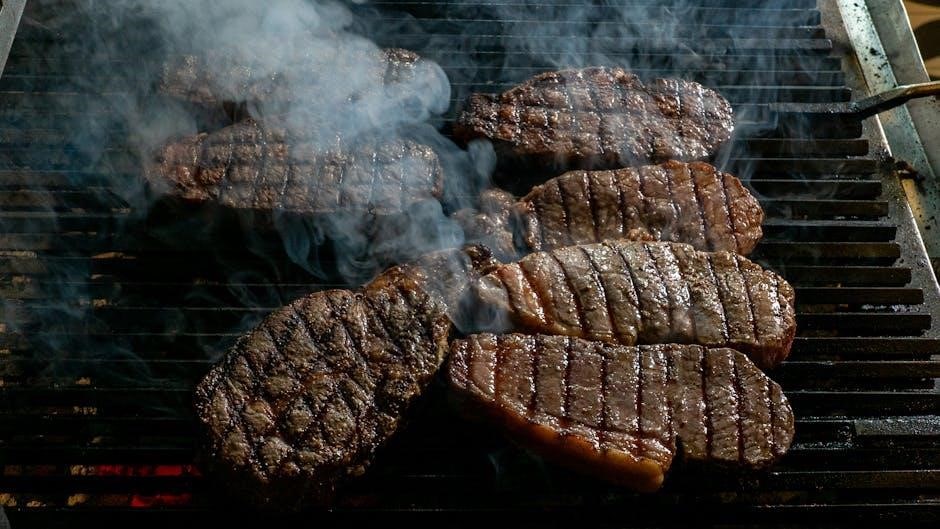
Versatility of Dry Rubs
Dry rubs aren’t limited to specific meats – chicken‚ lamb‚ fish‚ pork‚ beef‚ and even goat benefit from their flavorful touch‚ expanding culinary possibilities!
Meat Variety (Chicken‚ Lamb‚ Fish‚ Pork‚ Beef‚ Goat)
Dry rubs demonstrate remarkable versatility‚ enhancing the flavor of diverse proteins. For chicken‚ a slightly sweet and smoky rub works wonders‚ creating crispy skin. Lamb benefits from bolder‚ herbaceous blends featuring rosemary and garlic.
Fish and seafood pair beautifully with lighter‚ citrus-infused rubs‚ avoiding overpowering delicate flavors. Pork shines with sweet and spicy combinations‚ while beef demands robust rubs with paprika and pepper. Don’t overlook goat – it’s surprisingly receptive to earthy‚ aromatic rubs!
Experimentation is key; quality dry rubs elevate any meat‚ offering a convenient path to delicious results.
Starting with Familiar Meats
If you’re new to dry rubs‚ begin with meats you already enjoy cooking. This familiarity reduces variables‚ allowing you to focus on the rub’s impact. Chicken‚ for instance‚ is a forgiving canvas for experimentation. You already understand its cooking times and preferred flavors.
Similarly‚ if you frequently grill pork chops or beef steaks‚ these are excellent starting points. Using a dry rub on a known quantity builds confidence and helps you discern how different blends alter the final taste.
This approach makes the learning process more enjoyable and less intimidating.
Avoiding Common Mistakes
Common errors include uneven rub coating‚ excessive salt leading to dryness‚ and utilizing stale spices that diminish flavor – attention to detail is key!
Uneven Coating
Achieving a consistent coating is paramount for optimal flavor distribution. Pat the meat dry with paper towels before applying the rub; this creates a better surface for adhesion. Don’t simply sprinkle the rub on – actively rub it into the meat’s surface‚ ensuring every nook and cranny is covered.
For larger cuts‚ like brisket or ribs‚ generous application is crucial. Think of building layers; start with a base coat‚ then add more‚ pressing firmly. Visual inspection isn’t enough; use your hands to feel for bare spots. An uneven coating results in inconsistent flavor‚ leaving some areas bland while others are overly seasoned.
Excessive Salt Content
Salt is a key component of any dry rub‚ enhancing flavors and aiding in moisture retention‚ but too much can ruin your meat. Be mindful of the salt content in pre-made rubs‚ and adjust accordingly. If creating your own blend‚ start with a smaller amount of salt and taste as you go.
Prolonged resting times with a salty rub can draw out moisture‚ resulting in a dry‚ ham-like texture. If rubbing overnight‚ consider reducing the salt quantity. Remember‚ you can always add more seasoning later‚ but removing salt is impossible. Balance is key for a flavorful‚ juicy result!
Using Old Spices
Spices lose potency over time‚ diminishing the flavor impact of your dry rub. Ensure your spices are fresh – ideally used within six months to a year for optimal results. A simple test is to crush a small amount in your hand; if the aroma is weak‚ it’s time for a replacement.
Old spices won’t necessarily harm your food‚ but they won’t deliver the vibrant‚ robust flavors you expect from a well-crafted rub. Regularly check your spice rack and discard anything past its prime. Investing in fresh spices is a small price to pay for significantly improved taste!