Ferrari California Manual Gearbox: A Comprehensive Guide
The Ferrari California‚ initially offered with Ferrari’s F1 transmission‚ is now seeing increased demand for manual conversions. This guide explores the process‚ benefits‚ and considerations for transforming this modern Ferrari into a driver-focused machine.
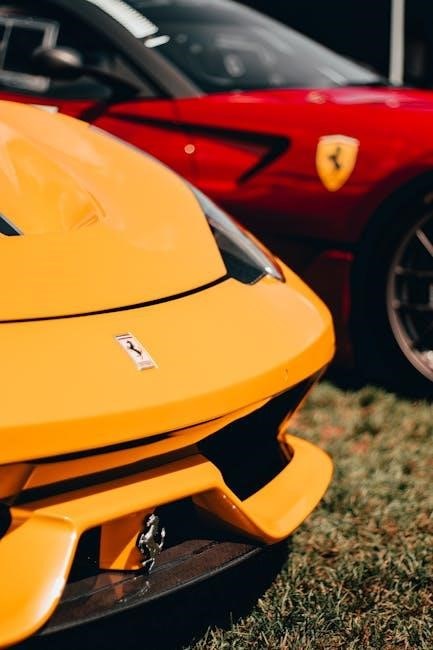
The Ferrari California‚ produced from 2009 to 2014‚ originally captivated enthusiasts with its retractable hardtop and sophisticated F1 dual-clutch transmission. However‚ a growing segment of the Ferrari community now desires a more engaging‚ traditional driving experience – specifically‚ a manual gearbox option. This demand stems from a yearning for greater driver control and a more visceral connection with the car‚ mirroring the preferences of purists who cherish the classic Ferrari feel.
Interestingly‚ the California‚ alongside models like the 360‚ 575M‚ F430‚ 599 GTB‚ and 612 Scaglietti‚ was initially offered with both manual and F1 transmissions. Yet‚ the manual variant represented a tiny fraction of overall production‚ often less than one percent for the California and 599. This scarcity has driven up the value of existing manual examples and fueled the interest in converting F1-equipped cars.
The appeal isn’t merely nostalgic; it’s about reclaiming a fundamental aspect of sports car driving. The ability to select gears oneself‚ to perfectly match revs on downshifts‚ and to feel intimately involved in the mechanical process enhances the driving experience for many enthusiasts. This desire has created a niche market for companies specializing in manual conversions‚ offering a pathway to realizing this dream for California owners.
Why the California is a Prime Candidate for Conversion
The Ferrari California presents a surprisingly viable platform for manual transmission conversions‚ unlike some other contemporary Ferraris. A key factor is the pre-existing provisions for a shift cable. During the California’s original design and manufacturing‚ accommodations were made to run shift cables‚ even though the F1 transmission was the predominant offering. This significantly reduces the complexity and cost associated with the conversion process‚ eliminating the need for extensive fabrication or structural modifications.
Furthermore‚ the California shares numerous parts and components with other Ferrari models that were commonly equipped with manual gearboxes‚ notably the F430 and 599 GTB. This parts-sharing simplifies sourcing the necessary components – including the gearbox itself‚ shift linkages‚ and related hardware – making the conversion more straightforward and cost-effective.
The engine ECUs also lend themselves well to adaptation. Skilled tuners can remap the ECU to recognize and operate seamlessly with a manual transmission‚ effectively making the car behave as if it were originally factory-built with a manual configuration. This avoids compatibility issues that can arise from attempting to “cross-flash” software from different vehicles‚ ensuring a reliable and optimized performance.
The Rarity of Manual Ferraris (2000s Era)
During the early 2000s‚ Ferrari increasingly favored its F1-style automated manual transmissions‚ leading to a significant decline in the availability of traditional manual gearboxes. Models like the 360 (1999-2005)‚ 575M (2002-2006)‚ F430 (2005-2009)‚ and 599 GTB (2007-2011) were offered with both transmission options‚ but the manual versions became increasingly scarce.
The Ferrari California (2009-2014) exemplifies this trend‚ with less than 1 percent of all produced units leaving the factory equipped with a manual gearbox. This extreme rarity has driven up the value of existing manual California models‚ making them highly sought-after by collectors and enthusiasts who prefer a more engaging driving experience.
The 612 Scaglietti (2004-2011) stands as the last front-engine Ferrari offered with a manual transmission‚ further emphasizing the dwindling availability of this option during that era. This scarcity fuels the current demand for conversions‚ allowing owners of F1-equipped cars to experience the visceral connection of a traditional manual gearbox in their modern Ferrari.
EAG (European Auto Group) and the Manual Conversion Process
European Auto Group (EAG)‚ a Texas-based tuner‚ has emerged as a leader in Ferrari manual conversions‚ notably completing the world’s first manual-converted 430 Scuderia and a fifth-generation Toyota Supra. They’ve rapidly begun offering this service for the California‚ documenting the process through a series of videos.
EAG’s conversion isn’t simply a parts swap; it’s a comprehensive process leveraging existing provisions within the California’s chassis. Crucially‚ the necessary holes for running shift cables are already present from the factory‚ simplifying installation. The process involves sourcing compatible components‚ often shared with the F430 and 599 models.
A key aspect of EAG’s approach is their ECU remapping. They don’t “cross-flash” software from another car‚ but instead‚ modify your engine’s software to function as if it were originally equipped with a manual transmission‚ ensuring compatibility and optimal performance. This meticulous approach guarantees a seamless integration of the manual gearbox.
Parts Sharing with Other Ferrari Models (F430‚ 599)
A significant advantage in converting the Ferrari California to a manual gearbox lies in the substantial parts sharing with other contemporary Ferrari models‚ specifically the F430 and 599 GTB. This commonality dramatically simplifies the conversion process and reduces sourcing challenges.
The California‚ F430‚ and 599 all utilized similar transmission designs‚ meaning key components like the gearbox itself‚ shift linkages‚ and associated hardware can be adapted. EAG‚ a leading conversion specialist‚ highlights this shared architecture as a crucial factor in making the California conversion feasible.
While not a direct bolt-on‚ the existing foundation of compatible parts minimizes the need for custom fabrication. This translates to a more cost-effective and reliable conversion. The 599‚ in particular‚ provides a strong donor platform for many essential components. Utilizing these shared parts ensures the converted California retains a degree of original Ferrari engineering and quality.
Pre-Existing Shift Cable Provisions
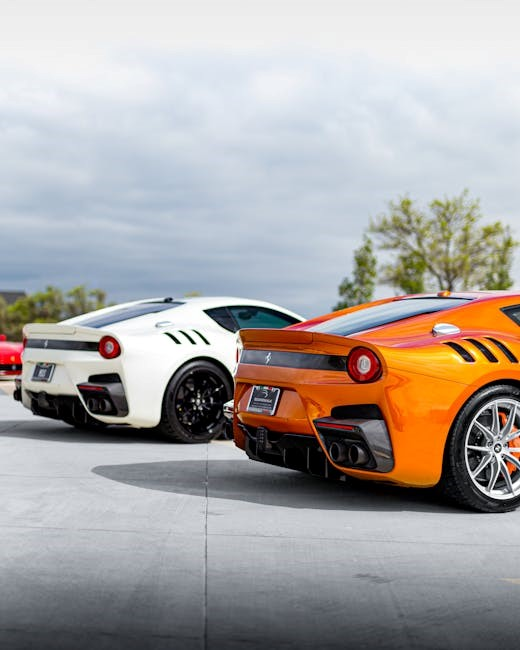
One of the most remarkable aspects of the Ferrari California manual conversion is the surprising presence of pre-existing provisions for shift cables within the vehicle’s structure. Unlike many conversions requiring extensive fabrication to route cables‚ the California was partially prepared at the factory for a manual option.
During the California’s initial production‚ Ferrari evidently anticipated potential manual transmission variants. As a result‚ the necessary holes and pathways for running shift cables were incorporated into the chassis‚ even on models originally equipped with the F1 gearbox. This foresight significantly streamlines the conversion process.
EAG (European Auto Group) has documented this feature extensively‚ showcasing how the existing cable routing minimizes the complexity and time required for installation. This pre-existing infrastructure reduces the risk of compromising the vehicle’s structural integrity and maintains a cleaner‚ more factory-like finish. It’s a key reason why the California is considered a prime candidate for a manual swap.
ECU Remapping and Compatibility
Successfully converting a Ferrari California to a manual gearbox hinges on precise Engine Control Unit (ECU) remapping. Simply installing the hardware isn’t enough; the ECU must recognize and properly manage the manual transmission’s operation; EAG (European Auto Group) specializes in this crucial step‚ ensuring seamless integration.
Their approach doesn’t involve “cross-flashing‚” which is overwriting the existing ECU software with data from another vehicle. Instead‚ they modify your engine software specifically to accommodate the manual configuration. This avoids potential compatibility issues and maintains the integrity of the original engine parameters;
This tailored remapping process effectively makes the car behave as if it were originally manufactured by Ferrari with a manual transmission. Furthermore‚ EAG guarantees that their ECU work will pass a California smog test‚ addressing a significant concern for owners in emission-regulated states. This level of assurance is vital for a worry-free conversion.
California Smog Test Compliance After Conversion
A significant concern for owners considering a manual conversion on their Ferrari California is whether the modification will pass stringent California smog tests. Fortunately‚ EAG (European Auto Group) addresses this directly with their specialized ECU remapping process.
Unlike some conversion methods that might compromise emissions compliance‚ EAG’s approach ensures the modified ECU maintains the vehicle’s original emissions control functionality. The remapping doesn’t alter the core emissions parameters; it simply adds the necessary code to manage the manual transmission without affecting the car’s ability to pass inspection.
EAG explicitly guarantees their ECU work will pass a California smog test‚ providing peace of mind for owners in the state. This is a critical advantage‚ as failed smog checks can prevent registration and legal operation of the vehicle. Their expertise in Ferrari ECUs and understanding of California regulations make this assurance invaluable for a successful and legally compliant conversion.
The 612 Scaglietti: The Last Front-Engine Manual Ferrari
While discussing the desire for manual transmissions in modern Ferraris‚ it’s crucial to acknowledge the 612 Scaglietti’s significance. Produced from 2004 to 2011‚ the 612 represents the final front-engine Ferrari offered with a traditional manual gearbox‚ making it a highly sought-after model for purists.
This grand tourer distinguishes itself with a spacious four-seater configuration‚ a rarity in the high-performance sports car segment. Unlike many competitors‚ the 612 comfortably accommodates adults in both the front and rear seats‚ enhancing its practicality for longer journeys.
The 612’s legacy indirectly fuels the demand for manual conversions in models like the California. It serves as a reminder of a time when Ferrari offered drivers greater control and engagement. The introduction of the dual-clutch California in 2009 marked a shift away from manual options‚ increasing the appeal of retrofitting earlier models.
Warranty Details for Manual Conversions
When considering a manual conversion for your Ferrari California‚ understanding the warranty coverage is paramount. European Auto Group (EAG)‚ a leading specialist in these conversions‚ provides a comprehensive warranty specifically for the work performed.
EAG offers a 2-year warranty encompassing both parts and labor directly related to the manual conversion itself. This assurance covers the installation of the gearbox‚ shift mechanism‚ and associated components‚ providing peace of mind to owners investing in this modification.
It’s important to note that this warranty is focused solely on the conversion process and does not extend to the original vehicle’s systems or pre-existing conditions. However‚ the quality of the work and parts used by EAG aims to ensure long-term reliability.
This dedicated warranty demonstrates EAG’s confidence in their expertise and commitment to customer satisfaction‚ solidifying their position as a trusted provider for Ferrari manual conversions. Careful review of the full warranty terms is always recommended.
Cost Considerations for a Manual Conversion
Embarking on a manual conversion for your Ferrari California requires a significant financial investment. The overall cost is influenced by several factors‚ primarily the complexity of the conversion and the provider chosen. European Auto Group (EAG)‚ a specialist in these modifications‚ offers a transparent pricing structure.
Expect the total cost to range considerably‚ encompassing parts procurement – including the gearbox itself‚ shift cables‚ and related hardware – and the extensive labor involved in the installation process. The need to remap the Engine Control Unit (ECU) also adds to the expense.
While a precise figure varies‚ prospective owners should budget accordingly‚ recognizing that this is a premium modification. The investment reflects the specialized skills‚ quality components‚ and meticulous attention to detail required for a successful conversion.
Considering the enhanced driving experience and increased vehicle value‚ many enthusiasts find the cost justifiable. Obtaining a detailed quote from a reputable provider like EAG is crucial for accurate financial planning.
The Driving Experience: Benefits of a Manual Gearbox
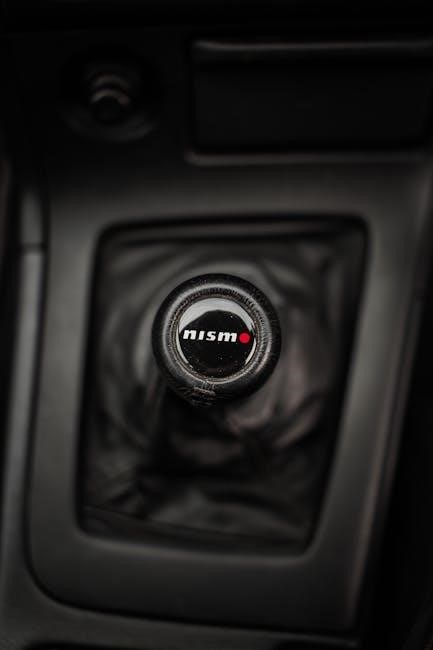
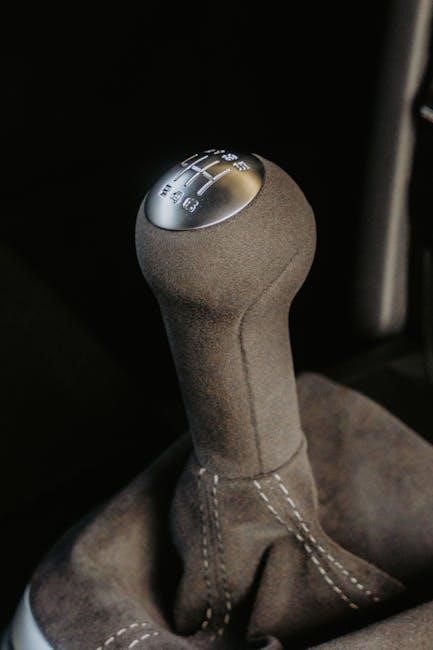
Converting a Ferrari California to a manual gearbox fundamentally alters the driving experience‚ prioritizing driver engagement and control. Removing the automated F1 transmission allows for a more visceral connection with the vehicle‚ fostering a deeper sense of involvement in every gear change.
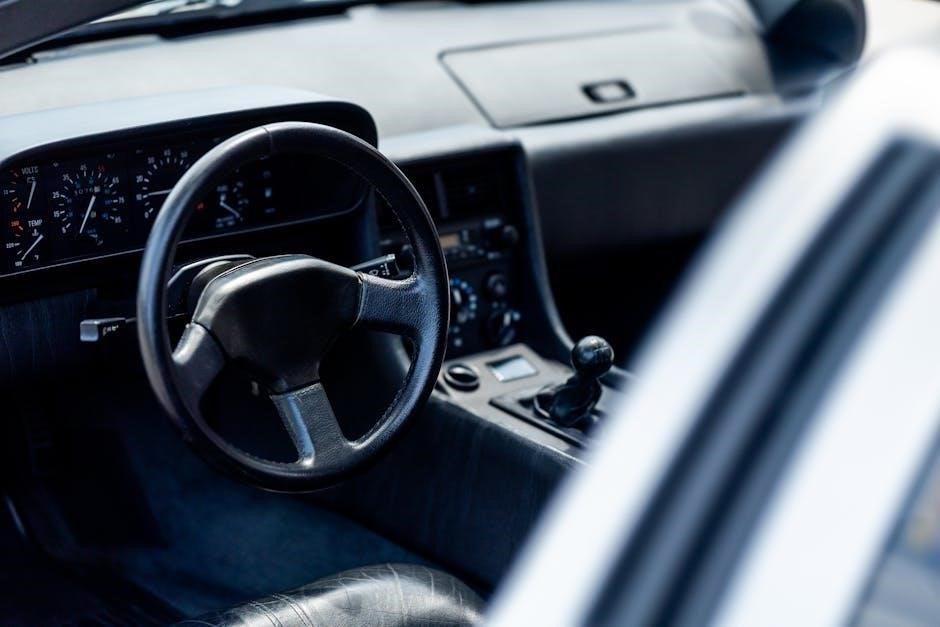
Enthusiasts often cite the increased feeling of control‚ particularly during spirited driving‚ as a primary benefit. The ability to precisely select gears enhances cornering performance and allows for more nuanced throttle control. This is a return to the classic Ferrari driving feel.
Beyond performance gains‚ the manual gearbox adds a layer of enjoyment often missing in modern automated systems. The tactile feedback of the shifter and the satisfaction of a perfectly executed downshift contribute to a more rewarding driving experience.
For purists‚ a manual transmission is the authentic way to experience a Ferrari. It transforms the California from a sophisticated GT into a truly driver-focused sports car‚ appealing to those who value skill and engagement above all else.
Finding a Suitable Ferrari California for Conversion
When considering a Ferrari California for a manual conversion‚ several factors are crucial. Prioritize models originally equipped with the F1 transmission‚ as the foundational structure for the conversion is already present. Years 2009-2014 represent the primary target for these projects.
Vehicle history is paramount. A California with a well-documented service record and minimal accident damage is ideal. Thoroughly inspect the car for any existing mechanical issues‚ as addressing these before the conversion will save time and expense.
Mileage isn’t necessarily a deterrent‚ but lower mileage examples often present fewer pre-existing wear-and-tear problems. Focus on overall condition rather than solely on odometer readings.
Crucially‚ confirm the car hasn’t undergone previous significant modifications. A largely original example simplifies the conversion process. Finally‚ budget for a pre-conversion inspection by a qualified Ferrari technician to assess suitability and identify potential hidden issues. Careful selection is key to a successful project.
Potential Challenges and Considerations
Undertaking a Ferrari California manual conversion isn’t without its hurdles. While EAG (European Auto Group) has streamlined the process‚ expect complexities. Sourcing all necessary components‚ even with parts sharing from models like the F430 and 599‚ requires diligence and can involve lead times.
The ECU remapping is critical; improper configuration can lead to performance issues or even failure to pass emissions testing. Ensure the tuner has proven expertise with Ferrari ECUs and California-specific calibrations.
Although pre-existing provisions for shift cables exist‚ integrating them seamlessly demands precision. Any misalignment can compromise shifting feel and reliability.
Post-conversion‚ be prepared for potential adjustments. Fine-tuning the ECU and addressing any unforeseen mechanical interactions may be necessary. Maintaining the car’s original aesthetic requires careful component selection and installation. Finally‚ factor in the potential impact on resale value‚ as modifications can affect collector appeal.
Resources and Companies Offering Conversions (EAG Highlight)
European Auto Group (EAG)‚ based in Texas‚ stands as a leading specialist in Ferrari California manual conversions. They’ve demonstrably pioneered this modification‚ notably completing the world’s first manual-converted 430 Scuderia and a fifth-generation Supra swap‚ showcasing their expertise.
EAG’s approach involves a comprehensive process‚ documented through detailed videos‚ emphasizing a deep understanding of Ferrari’s architecture. They leverage parts compatibility with the F430 and 599‚ simplifying component sourcing. Their ECU remapping ensures factory-level functionality and California smog test compliance.
Beyond the California‚ EAG also offers manual conversions for the F430‚ backed by a 2-year warranty on parts and labor specifically related to the conversion. This warranty provides peace of mind for owners investing in this significant modification.
While other shops may offer similar services‚ EAG’s proven track record‚ detailed documentation‚ and warranty support position them as a premier choice for enthusiasts seeking a truly engaging driving experience in their California.